

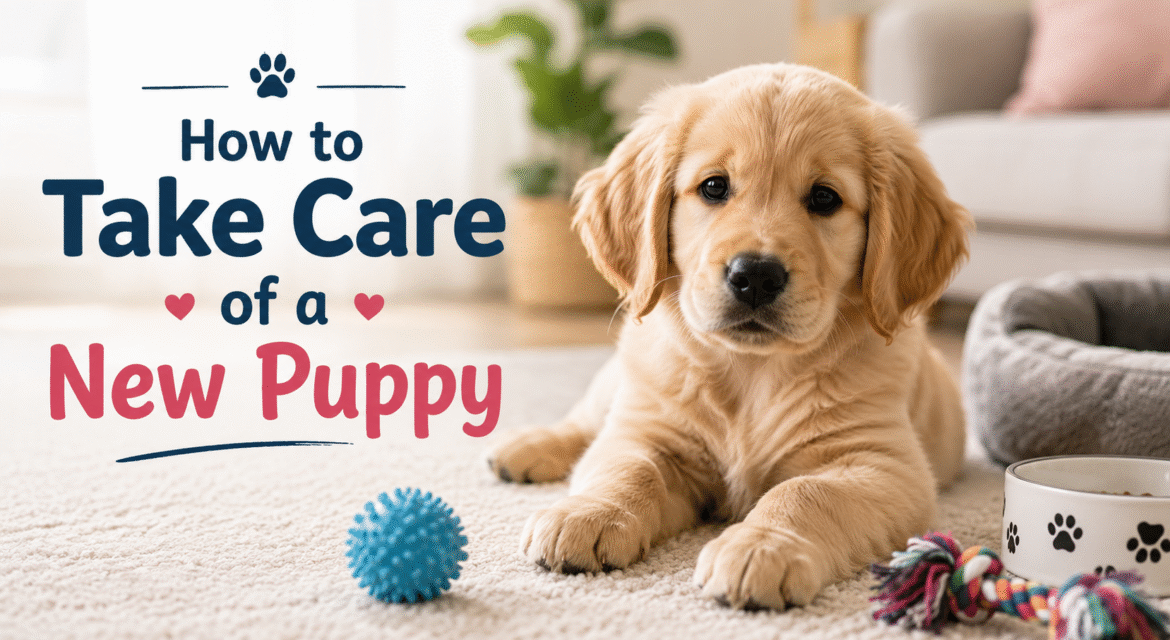
Bringing home a new puppy is one of the most exciting things you’ll ever do. But let’s be honest — it can also feel a little overwhelming. What do you feed them? When do vaccinations start? How do you stop them from chewing everything in sight?
If you’ve just brought home your pup or are getting ready to, this guide covers everything you need to know about how to take care of a new puppy — from the very first day to the end of their first few months. We’ve written it especially for Indian pet owners, keeping our climate, lifestyle, and available resources in mind.
Setting Up Your Home Before the Puppy Arrives
Before your pup even steps through the door, your home needs to be ready. Puppies are curious, fearless, and surprisingly fast. What looks safe to you can be dangerous for them.
Puppy-Proofing Your Space
Walk through your home at puppy level — yes, literally crouch down. Look for loose wires, low shelves with breakables, small objects they could swallow, and gaps they could squeeze into. Keep shoes and slippers off the floor (they will chew them). Tuck away phone charger cables and anything that dangles.
In Indian homes, be extra careful about:
- Kitchen areas — open flames, hot surfaces, and cleaning supplies stored under sinks
- Puja or prayer corners — incense sticks, camphor, and flowers like marigold can be toxic to dogs
- Open balconies or terraces — always add a mesh or railing guard before letting your pup roam
Setting Up Their Spot
Your puppy needs a dedicated place to sleep, eat, and feel safe. A cosy crate or a soft dog bed in a quiet corner works well. Keep it away from direct sunlight and ceiling fans, especially in summer. Place their water bowl nearby and make sure it’s always full.
Feeding Your New Puppy the Right Way
One of the most common questions new pet parents ask is: what should I feed my puppy? Getting nutrition right from the start sets the foundation for a healthy life.
Choosing the Right Puppy Food
Look for a commercial puppy food that lists a protein source (chicken, lamb, fish) as the first ingredient. Avoid foods with too many fillers like corn syrup or artificial colours. In India, good options include Royal Canin, Drools, Arden Grange, and Pedigree Puppy — available in most pet stores and online.
If you prefer home-cooked food, stick to simple, vet-approved options like boiled chicken with plain rice. Avoid the following, as they are toxic to dogs:
- Onions and garlic (very common in Indian cooking — keep your pup away from dal and sabzi)
- Grapes and raisins
- Chocolate
- Salty or spicy food
How Often Should You Feed a Puppy?
Puppies have small stomachs and high energy. Here’s a general feeding schedule:
- 8–12 weeks old: 4 meals a day
- 3–6 months old: 3 meals a day
- 6–12 months old: 2 meals a day
Always provide fresh water. In India’s heat, puppies dehydrate faster — check their water bowl multiple times a day.
Featured Snippet Answer: Puppies under 3 months should be fed 4 times a day. By 6 months, you can reduce to 3 meals, and by 12 months, most dogs do well on 2 meals a day.
Vaccination Schedule: What Every Indian Puppy Parent Needs to Know
Vaccinations are non-negotiable. India has a high risk of diseases like Parvovirus, Distemper, and Rabies — all of which are fatal if left unvaccinated. Starting your puppy’s vaccine schedule on time is one of the most important things you can do.
Core Puppy Vaccination Schedule (India)
|
Age |
Vaccine |
|
6–8 weeks |
DHPPi (Distemper, Hepatitis, Parvo, Parainfluenza) |
|
10–12 weeks |
DHPPi booster + Leptospirosis |
|
14–16 weeks |
DHPPi booster + Rabies |
|
12–16 months |
Annual boosters |
Your vet may also recommend the Kennel Cough (Bordetella) vaccine if your pup visits parks, dog cafes, or boarding facilities.
Always keep a vaccination record card. Many vets in India provide a booklet — store it safely as you’ll need it for grooming parlours, boarding, and if you ever travel with your dog.
Puppy Training: Start Early, Stay Consistent
Training isn’t just about teaching tricks. It’s about building a language between you and your dog. The earlier you start, the easier it gets.
Basic Commands Every Puppy Should Learn
Start with these four commands in the first month:
- Sit — the foundation of all training
- Stay — builds patience and impulse control
- Come — essential for safety
- No / Leave it — important for stopping unwanted behaviour
Use small, soft treats as rewards. Keep sessions short — 5 to 10 minutes at a time. Puppies have limited attention spans, much like toddlers. End every session on a positive note.
House Training (Potty Training) in Indian Homes
Whether you live in a flat or a bungalow, potty training takes consistency. Take your puppy out — or to their designated potty spot — immediately after they wake up, after every meal, and after playtime. Accidents will happen. Never scold your puppy after the fact; they won’t understand why you’re upset.
If you’re in an apartment, a pee pad near the door or on the balcony works well while they’re very young. Gradually move it closer to the door until they associate “outside” with going to the bathroom.
Internal Link Opportunity: Link “how to potty train a puppy in India” → /puppy-potty-training-tips
Grooming Your Puppy: Building Good Habits Early
Grooming isn’t just about looking good — it’s about health. Regular grooming prevents infections, skin problems, and keeps your pup comfortable in India’s hot and humid weather.
Weekly Grooming Checklist
- Brushing: Even short-coated dogs benefit from a weekly brush. It removes dead hair and spreads natural oils. Long-coated breeds like Golden Retrievers need daily brushing.
- Bathing: Once every 2–3 weeks is enough for most puppies. Use a mild, dog-specific shampoo. Human shampoos (even baby ones) can dry out their skin.
- Ear checks: India’s humidity makes ear infections common. Gently check ears weekly for redness, smell, or discharge. Don’t insert anything into the ear canal.
- Nail trimming: Trim once a month or when you hear clicking on the floor. Use a proper dog nail clipper — not scissors.
- Teeth: Start brushing early with a puppy toothbrush and dog-safe toothpaste. Dental hygiene prevents serious health problems down the line.
Healthcare Beyond Vaccines: Deworming and Flea Prevention
Vaccination is just one part of your puppy’s health plan. Two more critical steps are deworming and parasite control.
Deworming Schedule for Puppies in India
Puppies are often born with intestinal worms. Deworming should start as early as 2 weeks of age (done by the breeder ideally) and continue as follows:
- Every 2 weeks until 12 weeks old
- Once a month from 3–6 months
- Every 3 months after 6 months (lifelong)
Common dewormers available in India include Drontal, Banminth, and Caniverm. Always consult your vet for the right dosage based on your puppy’s weight.
Tick and Flea Prevention
India’s warm climate makes ticks and fleas a year-round problem, especially during and after the monsoon. Ask your vet about monthly spot-on treatments (like Frontline or Bravecto) or anti-tick collars. Check your puppy’s fur after every outdoor walk, especially around the ears, paws, and belly.
Socialisation: Helping Your Puppy Become a Confident Dog
The first 3 months of a puppy’s life are called the “socialisation window.” What they experience during this time shapes their personality for life. A well-socialised puppy grows into a calm, friendly, and adaptable adult dog.
How to Socialise Your Puppy Safely
Expose your pup to as many sights, sounds, and experiences as possible — but gently. In India, this might include:
- Auto-rickshaws, two-wheelers, and traffic sounds
- Crowds at markets or festivals
- Different kinds of people (children, elderly, people in uniforms)
- Other calm, vaccinated dogs
Wait until your puppy has had at least their second round of vaccines before letting them interact with unknown dogs on the street. In the meantime, puppy playdates with vaccinated dogs owned by friends or family are a great option.
FAQ: Common Questions About New Puppy Care
Q: At what age can I bring a puppy home in India? A: The ideal age is 8 weeks. Before 8 weeks, puppies are still learning vital social and emotional skills from their mother and siblings. Never take a puppy home before 6 weeks — it can cause long-term behavioural issues.
Q: How do I know if my puppy is sick? A: Watch for these warning signs — loss of appetite for more than 24 hours, vomiting or diarrhoea that persists, lethargy, discharge from eyes or nose, or swollen belly. When in doubt, call your vet. Early treatment almost always leads to faster recovery.
Q: Can I feed my puppy home-cooked food in India? A: Yes, but it needs to be balanced. Plain boiled chicken, rice, and a small amount of boiled vegetables (carrots, pumpkin) can work. However, home-cooked food alone often lacks essential vitamins and minerals. Speak to your vet about supplements or rotating with good-quality commercial food.
Q: My puppy cries all night. What should I do? A: This is completely normal for the first week. Your puppy has just left their mother and littermates. Place a warm water bottle wrapped in a towel near their bed to mimic warmth. A ticking clock nearby can also help. Avoid letting them sleep in your bed right away if you plan to crate train — it makes it harder later.
Q: How much exercise does a puppy need? A: A general rule is 5 minutes of exercise per month of age, twice a day. So a 3-month-old puppy needs about 15 minutes of walking, twice daily. Over-exercising a puppy can damage their growing joints, especially in large breeds like Labradors and German Shepherds.
Conclusion
Caring for a new puppy takes patience, consistency, and a whole lot of love. The first few weeks will be tiring — there’s no sugarcoating it. But with the right food, timely vaccinations, early training, and plenty of affection, you’re building the foundation for years of companionship.
You don’t need to have all the answers on day one. Take it one day at a time, trust your instincts, and don’t hesitate to call your vet when something feels off.
Ready to set your pup up for a healthy start? Browse our range of puppy food, grooming kits, training tools, and healthcare essentials at PupyShop.in — everything your new family member needs, all in one place.